
 By
By 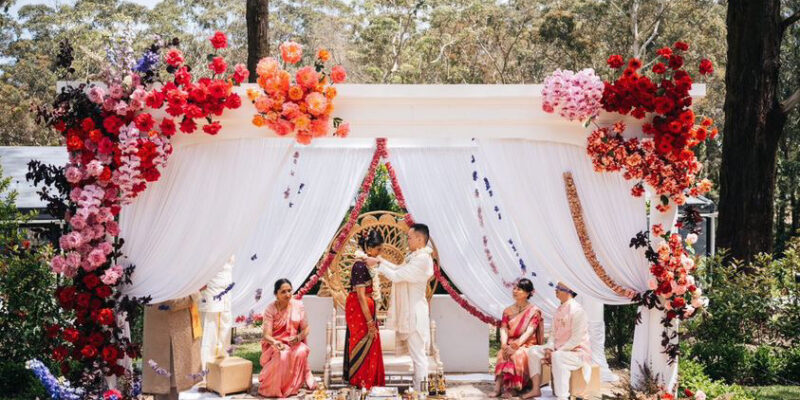
Introduction
Weddings are more than personal celebrations between two individuals. They represent the customs, beliefs, and social values of communities across generations. Through rituals, attire, ceremonies, and family participation, weddings reflect how societies understand commitment, identity, and relationships.
Each wedding ceremony carries symbols that communicate cultural meaning. These traditions preserve heritage while strengthening the connection between families and communities.
Weddings as Expressions of Cultural Identity
Every culture shapes its wedding ceremonies according to shared beliefs and historical influences. From clothing styles to ceremonial practices, weddings reflect the identity of a community.
Cultural identity appears through:
- Traditional clothing worn by the couple
- Rituals passed down through generations
- Music and dance performances
- Food served during celebrations
- Language used in ceremonies
These elements help maintain continuity between past traditions and present celebrations.
Role of Family in Wedding Traditions
In many cultures, weddings represent the union of two families rather than only two individuals. Families play an important role in organizing ceremonies and guiding traditional practices.
Family involvement often includes:
- Participating in ceremonial rituals
- Offering blessings and advice
- Supporting wedding arrangements
- Preserving ancestral customs
This involvement strengthens relationships between generations and reinforces shared values.
Symbolism in Wedding Rituals
Wedding rituals often contain symbolic meanings that reflect cultural beliefs about partnership and responsibility. These symbols help communicate expectations within marriage and family life.
Examples of symbolic elements include:
- Exchange of rings representing commitment
- Sacred vows expressing responsibility and trust
- Lighting ceremonial lamps symbolizing new beginnings
- Blessings from elders representing guidance and protection
Such rituals help couples understand the cultural meaning behind marriage.
Traditional Attire as Cultural Representation
Wedding clothing often reflects regional identity, religious customs, and historical heritage. Traditional attire is carefully chosen to represent respect for culture and community values.
Cultural wedding attire usually reflects:
- Regional craftsmanship and design
- Religious symbolism
- Social customs
- Historical influences
By wearing traditional clothing, couples honor their heritage while celebrating their union.
Wedding Ceremonies Preserve Historical Practices
Many wedding traditions have remained unchanged for generations. These practices serve as a bridge between ancestors and present day families.
Preserved traditions may include:
- Ritual prayers and blessings
- Cultural music and dance
- Processions and ceremonial entrances
- Community participation in celebrations
Maintaining these customs ensures that cultural knowledge continues across generations.
Community Participation Strengthens Cultural Continuity
Weddings often bring together extended relatives, neighbors, and community members. Their presence reflects the collective nature of cultural celebrations.
Community participation helps:
- Reinforce shared cultural values
- Strengthen social relationships
- Encourage respect for traditions
- Support the couple as they begin married life
Through collective celebration, weddings become community events rather than private ceremonies.
Religious Influence on Wedding Traditions
Religion plays a major role in shaping wedding rituals across cultures. Many ceremonies include prayers, sacred readings, and symbolic acts guided by religious beliefs.
Religious influence can be seen in:
- Sacred vows and blessings
- Ritual timing and procedures
- Choice of ceremonial locations
- Participation of spiritual leaders
These practices highlight the spiritual meaning associated with marriage in many societies.
Modern Weddings Balancing Tradition and Change
While traditions remain important, modern weddings often combine cultural customs with contemporary preferences. Couples today adapt ceremonies to reflect both heritage and personal identity.
Modern influences may include:
- Simplified traditional rituals
- Personalized ceremony elements
- Blended cultural practices in intercultural marriages
- Creative celebration formats
This balance allows traditions to remain meaningful while adapting to changing lifestyles.
Weddings as Carriers of Social Values
Weddings communicate important social values such as respect, cooperation, responsibility, and unity. These values are reflected through ceremonies and interactions between families.
Through weddings, societies express:
- Importance of family relationships
- Respect for elders
- Commitment between partners
- Support from community networks
These values help strengthen social harmony and continuity.
Conclusion
Weddings reflect cultural values and traditions through rituals, attire, family involvement, and community participation. They preserve historical practices while strengthening relationships across generations. By honoring traditions during wedding ceremonies, families maintain their cultural identity and pass meaningful customs to future generations.
Frequently Asked Questions
Why do wedding traditions differ across cultures
Wedding traditions differ because each society develops customs based on its history, religion, geography, and social structure.
How do wedding ceremonies help preserve cultural heritage
They pass rituals, language, clothing styles, and symbolic practices from older generations to younger members of the community.
Are traditional wedding customs still relevant today
Yes traditional customs continue to provide identity, continuity, and meaning even in modern celebrations.
How do intercultural weddings combine different traditions
Couples often include selected rituals from both cultures to create a ceremony that respects each family background.
Why is traditional wedding attire important in many cultures
Traditional attire represents regional identity, family heritage, and respect for ancestral customs.
How does community involvement influence wedding ceremonies
Community participation strengthens social bonds and provides emotional support to the couple and their families.
Can modern weddings maintain cultural traditions successfully
Yes couples can adapt traditions thoughtfully while preserving their cultural significance and values.





Comments