
 By
By 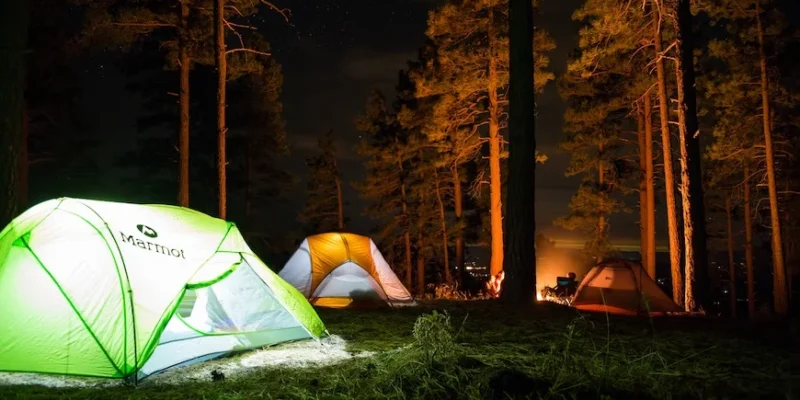
Introduction to Lightweight Camping
Packing light for camping is a practical skill that improves mobility, reduces fatigue, and makes outdoor travel more enjoyable. Carrying only essential gear allows campers to move comfortably across trails, set up camps faster, and stay organized during the trip.
Whether planning a weekend getaway or a longer trekking adventure, understanding what to carry and what to leave behind helps create a safer and more efficient camping experience.
Why Packing Light Matters
Lightweight packing offers several advantages beyond convenience. It supports better movement, saves energy, and improves overall trip enjoyment.
Key benefits include:
- Reduced physical strain while walking long distances
- Faster setup and packing at campsites
- Easier navigation across uneven terrain
- Better balance and posture during hikes
- More space for essential safety equipment
Efficient packing transforms camping from a tiring activity into a comfortable outdoor experience.
Choose the Right Backpack First
A properly sized backpack forms the foundation of lightweight camping preparation. Oversized bags often encourage unnecessary packing, while smaller backpacks promote thoughtful gear selection.
Consider these features when selecting a backpack:
- Capacity between 40 to 60 liters for short trips
- Adjustable shoulder and waist straps
- Lightweight frame support
- Multiple compartments for organization
- Weather resistant material
Choosing a suitable backpack naturally limits overpacking and improves comfort.
Plan Clothing Strategically
Clothing occupies significant backpack space, so selecting versatile layers is essential.
Follow these clothing strategies:
- Pack moisture wicking base layers
- Carry one warm insulating layer
- Include a compact waterproof jacket
- Limit clothing to one spare set
- Choose quick drying fabrics instead of cotton
Layering helps adapt to changing weather conditions without carrying excessive weight.
Select Lightweight Shelter Options
Shelter is essential but does not need to be bulky. Modern camping equipment offers compact solutions designed for portability.
Popular lightweight shelter choices include:
- Ultralight tents
- Compact tarp shelters
- Single wall trekking tents
- Shared tents for group trips
Selecting the right shelter reduces backpack load significantly.
Carry Compact Sleeping Gear
Comfortable sleep supports energy levels during outdoor activities. However, sleeping gear should remain lightweight and space efficient.
Smart sleeping gear choices include:
- Lightweight sleeping bags suited to climate
- Inflatable sleeping pads
- Compression sacks for packing efficiency
- Compact travel pillows or clothing substitutes
Using compression storage helps reduce volume inside the backpack.
Pack Smart Cooking Essentials
Cooking equipment should remain minimal yet functional. Avoid carrying unnecessary kitchen items.
Essential lightweight cooking gear includes:
- Portable camping stove
- Single cooking pot
- Foldable spoon or utensil
- Reusable water bottle
- Lightweight fuel container
Plan simple meals that require fewer cooking tools.
Prioritize Multi Purpose Gear
Multi purpose equipment reduces total backpack weight while maintaining functionality.
Examples include:
- Bandana usable as towel or sun protection
- Trekking poles doubling as tent supports
- Knife with multiple tool attachments
- Clothing layers serving multiple weather conditions
Choosing adaptable gear improves packing efficiency.
Organize Gear Using Packing Techniques
Proper packing methods help maximize space and maintain balance during travel.
Effective packing techniques include:
- Rolling clothing instead of folding
- Storing heavy items close to the back
- Keeping frequently used items accessible
- Using compression sacks
- Separating wet and dry gear
Balanced packing improves stability and comfort on trails.
Limit Non Essential Items
Many campers carry extra items that remain unused throughout the trip. Eliminating unnecessary gear is one of the most effective ways to reduce weight.
Avoid packing:
- Extra footwear unless required
- Large toiletries
- Heavy books
- Duplicate clothing items
- Oversized cooking equipment
Careful selection ensures only useful items are included.
Prepare a Lightweight Safety Kit
Safety equipment must never be skipped, even when packing light.
Essential safety items include:
- First aid kit
- Headlamp or flashlight
- Navigation tools such as map or compass
- Emergency whistle
- Portable power source
These items support safe camping without adding significant weight.
Test Your Backpack Before Departure
Testing gear before leaving helps identify unnecessary items and improves packing efficiency.
Helpful preparation steps include:
- Walking short distances with a packed backpack
- Adjusting strap settings for comfort
- Checking weight distribution
- Removing unused items after trial packing
Practice ensures a smoother camping experience.
Frequently Asked Questions
How heavy should a camping backpack be for beginners
A beginner friendly backpack typically weighs between 8 to 12 kilograms depending on trip duration and weather conditions.
What is the best way to reduce backpack weight quickly
Removing duplicate clothing and replacing bulky gear with compact alternatives reduces weight efficiently.
Are lightweight tents strong enough for regular camping
Modern lightweight tents are designed for durability and weather resistance when used correctly.
Should I carry extra shoes during camping trips
Extra footwear is usually unnecessary unless the trip involves water crossings or extreme weather conditions.
How many days of food should I pack for short camping trips
Packing food for one additional day beyond the planned trip duration provides a safe margin.
Is it safe to skip cooking equipment to reduce weight
It is safe if carrying ready to eat meals that do not require heating.
Can beginners follow lightweight camping techniques easily
Yes beginners can adopt lightweight packing methods gradually by selecting compact gear and limiting unnecessary items.






Comments