
 By
By 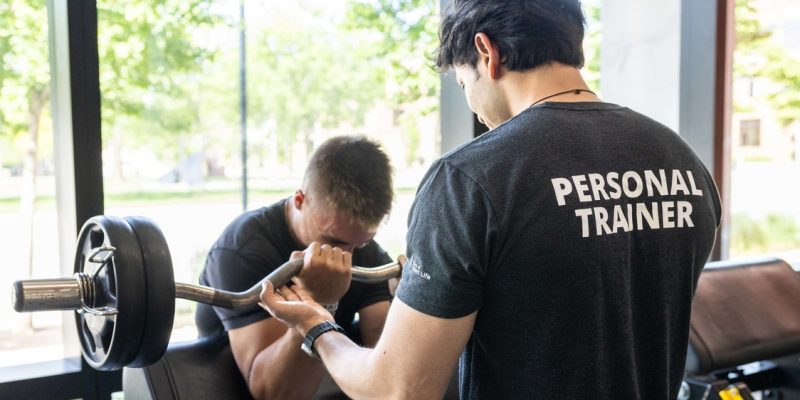
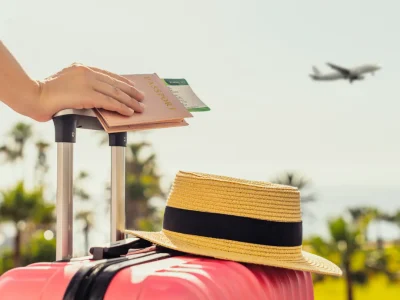
Frequent travel is a reality for many professionals in Singapore. Regional business trips, long-haul flights, family holidays, and short getaways often disrupt training routines, sleep cycles, and eating habits. Over time, this stop-start pattern leads to declining fitness, increased fatigue, and frustration when returning to normal routines.
Working with a personal fitness trainer singapore helps remove the all-or-nothing mindset around travel. Instead of abandoning fitness during trips or trying to compensate with extreme workouts afterward, training is adapted to movement constraints, time zones, hotel facilities, and realistic energy levels.
This article explains how personalised coaching helps maintain fitness, protect health, and return from travel feeling capable rather than depleted.
Why Travel Disrupts Fitness More Than People Expect
Travel affects the body in subtle but cumulative ways. Even short trips can reduce daily movement, disrupt sleep, and increase stress on joints and digestion.
Common travel-related challenges include:
-
Prolonged sitting during flights or drives
-
Reduced step count compared to normal routines
-
Inconsistent meal timing and food quality
-
Poor sleep due to time zone changes or unfamiliar environments
-
Loss of training structure and accountability
Without a plan, these factors compound quickly.
Shifting the Goal From Progress to Maintenance
One of the biggest mistakes travellers make is expecting progress while travelling. The primary goal during trips should often be maintenance, not improvement.
A maintenance-focused mindset prioritises:
-
Preserving strength and mobility
-
Supporting circulation and recovery
-
Managing stress and fatigue
-
Avoiding injury or excessive soreness
Maintaining fitness during travel makes it far easier to resume structured training afterward.
Training With Limited Time and Space
Hotel gyms, small rooms, or packed schedules often limit workout options. Effective travel training relies on simplicity rather than equipment variety.
Well-designed travel sessions focus on:
-
Bodyweight strength movements
-
Resistance band exercises
-
Short circuits targeting major muscle groups
-
Mobility work to counter prolonged sitting
Even 20 to 30 minutes of purposeful movement can maintain conditioning.
Protecting Joints and Circulation During Long Flights
Long flights place stress on joints, circulation, and posture. Stiff hips, swollen ankles, and tight backs are common complaints.
Practical movement strategies include:
-
Standing and walking periodically during flights
-
Simple ankle and hip mobility movements
-
Gentle spinal rotation and extension
-
Light movement immediately after landing
These habits reduce stiffness and speed up recovery.
Managing Jet Lag Through Smart Movement Timing
Jet lag disrupts sleep, appetite, and energy levels. Training intensity must align with how the body adapts to new time zones.
Effective strategies include:
-
Light movement on arrival day to encourage circulation
-
Avoiding intense sessions when sleep-deprived
-
Gradually increasing intensity over subsequent days
-
Using morning movement to support circadian adjustment
Training supports recovery when timed intelligently.
Eating Well Without Dieting on the Road
Food choices during travel are often unpredictable. Attempting strict dieting usually leads to stress or overeating later.
Sustainable travel nutrition focuses on:
-
Prioritising protein at each meal
-
Eating regular meals to stabilise energy
-
Staying hydrated, especially after flights
-
Allowing flexibility for local cuisine without guilt
Consistency matters more than perfection.
Walking as a Powerful Travel Fitness Tool
Walking is one of the most effective and underrated tools while travelling. It supports cardiovascular health, digestion, and recovery without adding fatigue.
Benefits of prioritising walking include:
-
Increased daily energy expenditure
-
Improved circulation after long periods of sitting
-
Reduced stiffness and jet lag symptoms
-
Mental relaxation and exploration benefits
A simple walking goal often maintains baseline fitness effectively.
Returning to Training Without Overcompensation
Many people return from travel and immediately attempt to “make up” for missed workouts. This often leads to injury or excessive soreness.
A safer return strategy includes:
-
Starting with moderate intensity
-
Reintroducing volume gradually
-
Assessing sleep and energy before pushing intensity
-
Using the first week to re-establish rhythm
Gradual reintegration protects consistency.
The Role of Structured Support While Travelling
Having a coach who understands your routine helps remove decision fatigue during trips. Travel-specific guidance replaces guesswork with clarity.
Many clients value ongoing support from established training environments such as True Fitness Singapore, where structured planning and accountability continue even when routines are disrupted.
Support keeps momentum intact.
Training Mindset That Reduces Travel Guilt
Fitness setbacks during travel often stem from guilt rather than reality. Travel is part of life, not a failure.
A healthy mindset includes:
-
Viewing movement as maintenance, not punishment
-
Letting go of unrealistic expectations
-
Focusing on habits rather than outcomes
-
Returning with confidence rather than frustration
Mindset determines long-term success.
Real-Life FAQs on Training While Travelling
Is it better to rest completely or do light workouts during travel?
Light movement is usually more beneficial than complete rest, as it supports circulation and reduces stiffness.
How often should I train while travelling?
Two to three short sessions per week combined with walking is sufficient for maintenance.
What if my hotel has no gym?
Bodyweight and band-based workouts can maintain strength effectively in small spaces.
Should I train immediately after landing?
Light movement is helpful, but intense training should wait until sleep and hydration improve.
How do I avoid losing muscle during long trips?
Maintain protein intake and include basic resistance exercises when possible.
Is soreness normal when resuming training after travel?
Mild soreness is common, but excessive soreness indicates overcompensation.
Can travel training improve discipline long-term?
Yes. Learning to adapt builds resilience and consistency beyond perfect conditions.
Do I need special equipment to stay fit while travelling?
No. Simple tools and structured planning are more important than equipment.
Travel does not have to derail fitness. With adaptable training, realistic goals, and consistent movement, it becomes another environment where health is supported rather than sacrificed.










Comments